- sex
- Posts
- Black Circuit: An Explanation for the Culture Shift
Black Circuit: An Explanation for the Culture Shift
To investigate the sudden rise of black circuit events, I went to the source.
Garco B & Micah Marquez
March 12, 2025
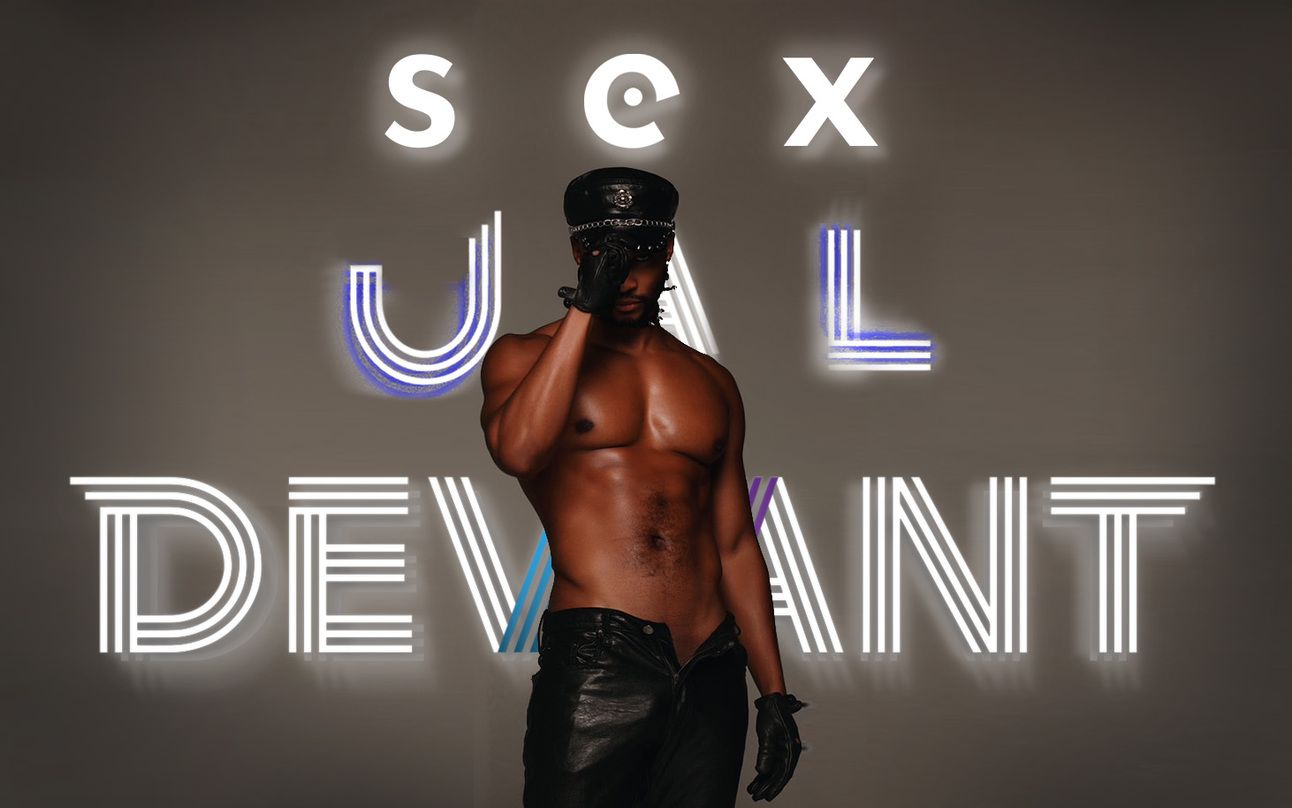
Circuit parties are certainly not new; what is new is the number of black men who have taken what appears to be a sudden interest. Questions have arisen in the community about how this happened, what’s going on at these parties, and what separates this new brand of circuit experiences from the traditional and more popular events.
What's a Circuit Party and What Makes it Different From Other Clubs?
Circuit parties are almost exclusive to the gay community (when heterosexuals are involved in any significant number, they're typically referred to as raves). While there obviously is no legal definition to differentiate them from any other type of party, they're generally characterized by dancing, dance (EDM) music, drugs, shirtlessness, a dark room, and long hours, often extending well into the next morning or later. Many of these things are missing from typical black gay or straight clubbing experiences; so if you happen to enjoy indulging in any of the above, it's easy to see the appeal.
In the US, they evolved from disco parties in the 1970s and, up until very recently, were attended almost exclusively by white patrons. So what changed?
Why Are More Black People Attending?
The short answer is access. Circuit parties tend to be expensive; on the low end, you're unlikely to find one worth its title for less than a hundred dollars. It's no secret that Black Americans trail their white counterparts financially, so it makes sense for this subset of the community to catch on a little later. Some may argue that circuit parties are priced specifically to bar access to all but a very specific type of man, but so far, there have been no widespread reports of discrimination of any kind in this sector.
Another answer is that only recently has anyone made a concerted effort to include black and people of color. The brunt of that effort can be attributed to Micah Marquez, the founder of Deviant.
Enter Micah
For him, circuiting began in New York City, which is inarguably the home of circuit parties within the continental US. He called his first couple of experiences "incredibly liberating," adding, "I [got] to finally dress queer as I want to, dance queer as I want to, but there weren't enough people that looked like me." The realization that white gay men were regularly experiencing a level of freedom that was virtually nonexistent in the black gay community led Micah to start his own similarly themed events, which he dubbed Deviant.
Launched in 2019, the idea for the party initially came about after a discussion with a close friend let Micah know that the feelings of liberation and acceptance were more elusive than he'd realized. "I don't look like y'all," Micah's friend, another person of color confided after a group outing to a popular circuit event. "I don't have bodies like y'all. These white men are looking and they're not even seeing me. I feel like a ghost." The conversation sparked a period of introspection for Micah that helped him understand he was being fetishized at these parties, and also that he was best suited to create an environment where all people—regardless of skin color or body type—could feel welcomed and accepted.
Today, Deviant is a thriving franchise, recognizable to nearly every black gay man in the US. It boasts a guest list that is tens of thousands of names long, operates in at least ten major cities, and shows no signs of slowing down. It's also more than just a party; true to its beginnings in inclusivity, Deviant intentionally and strongly enforces consent, body and sex positivity, drug safety, and harm reduction at its events.
To those who complain about there not being enough representation of all body types, Micah noted, "I used to take it to heart when people talk shit online and be like, it's not enough imagery of that body. And I'd be like, right, y'all, we're doing a model call. We need some big niggas. And then nobody responds. I [hit] people up and they're like, no, I'm insecure about my body. Okay, cool. Well, I can't make somebody do something, but yeah." | On the flip side, Micah is staunchly aware of the body boys who have written Deviant off precisely because of its inclusivity. "We have created a culture that is very opposite of the fetishizing black and brown bodies. And so naturally, those guys who are used to being exclusively invited to certain spaces because of how they look, I think sometimes find themselves looking down at Deviant like, I don't need to go there. So I think that, yeah, that's definitely happened with us because we have been intentional about being inclusive." |
Things to Know Before Showing Up
When asked what anyone curious about a Deviant event should do to prepare themselves, Micah ended with, "Interrogate yourself about where you are mentally, where you are emotionally. The only major issues that I've seen are insecure couples that walk in those doors and you know, you got that one partner who is already feeling insecure about their relationship now seeing their partner thrive in this space and enjoying themselves.
It's important to have those interrogations with yourself before you walk in those doors. What are your boundaries? We have a dress code, so, you know, skin has to show before you come in those doors. You can wear a tank top, a crop top, a mesh top, but a part of creating the culture that we want to create is daring everybody to be bold. We got to get uncomfortable together.
If you're going to be wearing a thong, are you comfortable sliding off to the corner, letting someone grab on your ass? That's fine if that's you want to do. But if your boundary is 'no, I'm just going to wear that thong and shake my ass, that's okay, and I think it's just up to each person to do those self-interrogations and maintain their boundaries before coming to the space."
Deviant’s next event happens this Saturday in Houston, TX.
Reply